The Ultimate 3-Day Tokyo Itinerary: Neighborhood Guide, Transit Tips & Hotel Picks for Every Budget
Estimated reading time: 12 minutes
Key Takeaways – 3-Day Tokyo Itinerary
- You can see modern marvels, ancient temples, and top food spots in just three compact days with this 3-Day Tokyo Itinerary.
- Use a Suica or PASMO card for tap-and-go travel to avoid ticket lines.
- Plan each day by grouping nearby districts to cut transit time and save energy.
- Budget travelers can enjoy Tokyo from ¥8,000 per day, including meals and subway rides.
- Book hotels early—sakura season rooms sell out months ahead.
Table of Contents
Itinerary Overview – 3-Day Tokyo Itinerary
Tokyo is huge, bright, and busy—but with a clear year-5 friendly plan you can enjoy the city without feeling lost. This 3-Day Tokyo Itinerary splits the capital into bite-size adventures. Each day mixes culture, fun, and food, leaving breathing space for surprises. Follow it step by step or shuffle the order to fit weather and energy levels.
Tokyo Neighborhoods Guide – 3-Day Tokyo Itinerary
Understanding districts helps you move smart. Here is a quick cheat sheet so you know where to play, shop, or relax during your 3-Day Tokyo Itinerary.
- Shinjuku: Skyscrapers, late-night bars, and one of the world’s busiest stations.
- Shibuya: Youth fashion, mega screens, and the iconic scramble crossing.
- Asakusa: Historic temples and lantern-lined shopping streets.
- Ueno: Museums, park walks, and cherry-blossom views.
- Ginza: Luxury stores, chic cafés, and polished side streets.
- Akihabara: Anime, arcades, and gadget stalls for tech lovers.
Group nearby spots—Shibuya and Shinjuku, or Asakusa and Ueno—to shorten train rides. For more detail, see this helpful 3-day Tokyo itinerary.
Transit Tips – 3-Day Tokyo Itinerary
Getting around looks hard at first, but trains and subways are clear, clean, and on time. Follow these steps and your 3-Day Tokyo Itinerary will glide.
- Suica/PASMO: Buy at airport counters. Tap in, tap out—no ticket fuss.
- JR Yamanote Line: A green loop that hits most major stops in about one hour.
- 24-hour Subway Passes: Great if you ride many underground lines in one day.
- Station Codes: Letters + numbers (G-09) help you pick the right exit fast.
- Last Trains: Around 00:30. If you stay out late, check schedules early.
- Apps: Google Maps is fine; HyperDia gives exact platforms.
- Etiquette: Line up, stay quiet, keep phones on silent—easy respect rules.
Read more handy details in this tips for navigating Tokyo transit guide.
Day 1 – Modern Adventure: 3-Day Tokyo Itinerary
Morning – Meiji Jingu & Omotesando
Start early at 05:00 if jet-lag wakes you up. Walk the cedar-lined path to Meiji Jingu Shrine, bow at the huge torii, wash hands at the fountain, and listen to the quiet. You are in the middle of the busiest city on earth, yet only birds sing.
After the shrine, stroll ten minutes to Omotesando. The wide road shines with designer stores. Grab breakfast at Aoyama Flower Market Tea House—tables bloom with fresh stems. Prices run ¥1,500–¥2,000, a gentle start to the day.

Afternoon – Shibuya Crossing & Shopping
Take the JR Yamanote one stop south to Shibuya. Join the scramble crossing—green lights last only 55 seconds, but you’ll share them with up to 3,000 people. Want a bird’s-eye photo? Ride the elevator to Magnet by Shibuya109 (rooftop cost ~¥600) or book tickets for Sky Deck in advance.
Shopping highlights:
- Shibuya109: Trendy women’s fashion over eight lively floors.
- PARCO: Home to Nintendo and Pokémon Centers—perfect for gifts.
- Center-gai: A pedestrian lane of sneaker stores and snack stalls.
Evening – Shinjuku Nightlife
At sunset hop on Yamanote to Shinjuku. When neon signs flicker on, walk through Kabukicho, then squeeze into Omoide Yokocho for smoky yakitori. Skewers cost about ¥350 apiece; pair with a glass of highball for a budget dinner.
If you crave a late drink, Golden Gai’s tiny bars seat six people each. Look for English menus on doorways and be ready for a cover charge (¥500–¥800) in some spots.
Day 1 teaches you Tokyo’s fast side—huge crossings, tall towers, and the bright hum of nightlife.
Day 2 – Tradition & Foodie Fun: 3-Day Tokyo Itinerary
Morning – Senso-ji Temple & Nakamise Dori
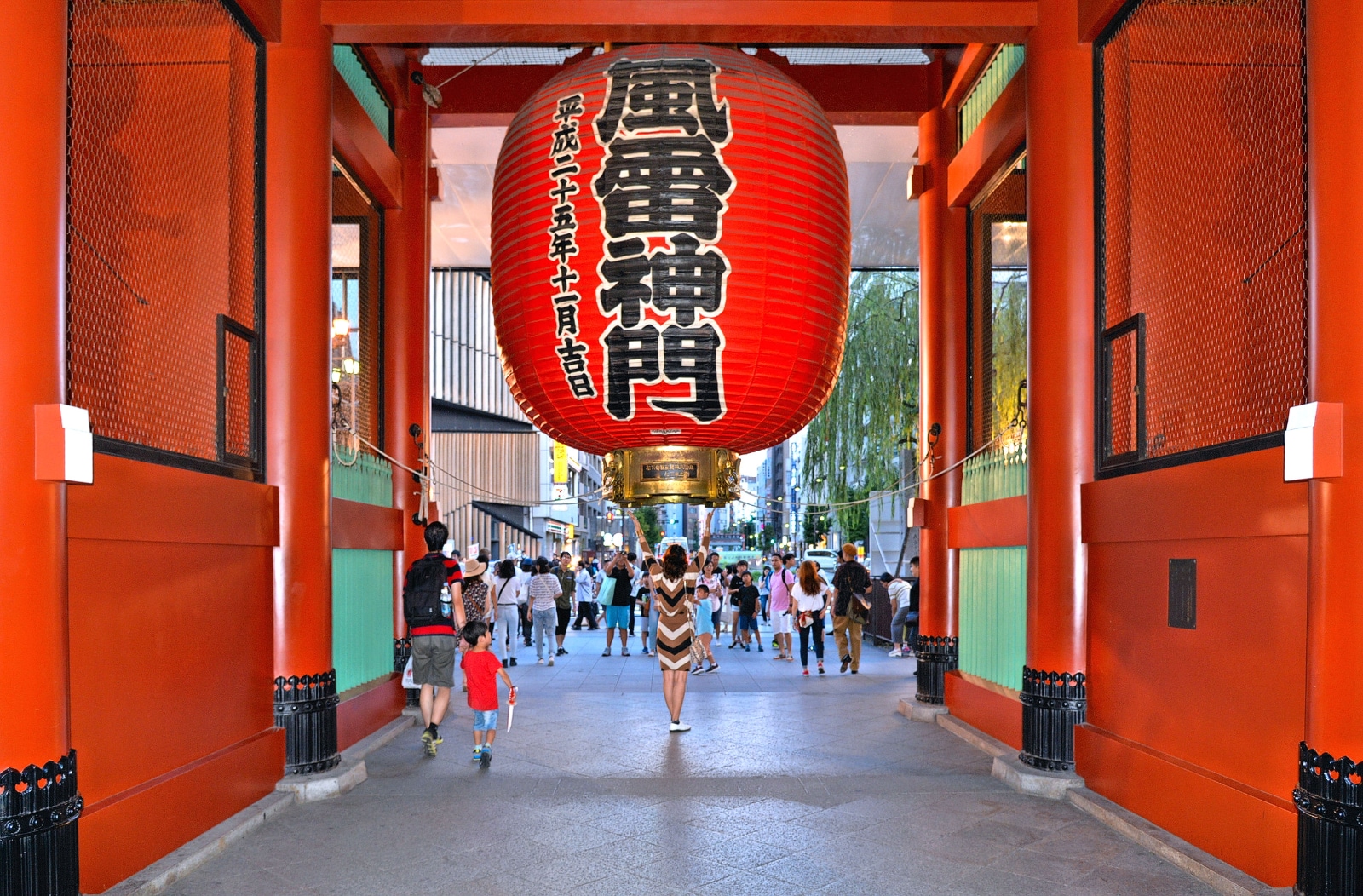
Ride the Ginza Line to Asakusa Station. Pass through the red Thunder Gate (Kaminarimon), snap the giant lantern, and enter Nakamise Dori. Stalls sell ningyo-yaki, kitschy chopsticks, and cotton yukata. Buy a bag of senbei rice crackers (¥300) and nibble while you wander.
Afternoon – Ueno Park & Museums
From Asakusa it’s a short Ginza Line hop to Ueno. The park welcomes you with shady trees and a small pond where you can pedal a swan boat (¥600/30 minutes). Choose one museum to dive into:
- Tokyo National Museum: Samurai armor and ancient scrolls (entry ~¥620).
- National Museum of Nature & Science: Dino bones and space tech (entry ~¥630).
- Ueno Zoo: Giant pandas if you travel with kids.
If you visit in late March or early April, cherry blossoms line the main path—arrive earlier in the morning for easy photos. For more spring magic, compare with Kyoto’s blossoms on the Kyoto travel guide.
Evening – Asakusa Dinner & River Cruise
Return to Asakusa. Queue at Daikokuya (tempura bowls ~¥2,000) or wander Hoppy Street—named after a beer-like drink—and pop into a retro standing bar. When the sky fades, board a Sumida River cruise (¥1,200) for night lights and a breeze after a busy day.
Day 2 slows the pace: incense smoke, museum halls, and the soft glow of river lanterns.
Day 3 – Icons & Hidden Gems: 3-Day Tokyo Itinerary
Morning – Imperial Palace East Gardens & Hibiya
Take the subway to Otemachi. Show ID at the Imperial Palace East Gardens gate, then wander past stone walls and koi ponds. The Ninomaru Garden offers bright irises in June and fiery maples in November. Exit toward Hibiya Park—kids play, office workers picnic, and a tiny Godzilla statue roars nearby.
Afternoon – Ginza & Akihabara
Stroll fifteen minutes or ride one stop to Ginza. Window-shop at Ginza Six, pop up to the rooftop garden for free views, and maybe taste a ¥300 melon-pan ice cream. Art fans will enjoy the compact POLA Museum Annex—check rotating exhibits.
After lunch, dive into Akihabara. Multi-level arcades buzz with music and clacking buttons. Super Potato hides five floors of retro games—look for Famicom consoles. Maid cafés line side streets; prices start at ¥1,500 for a drink and photo, and staff will explain gentle house rules.
Evening – Tokyo Skytree Sunset
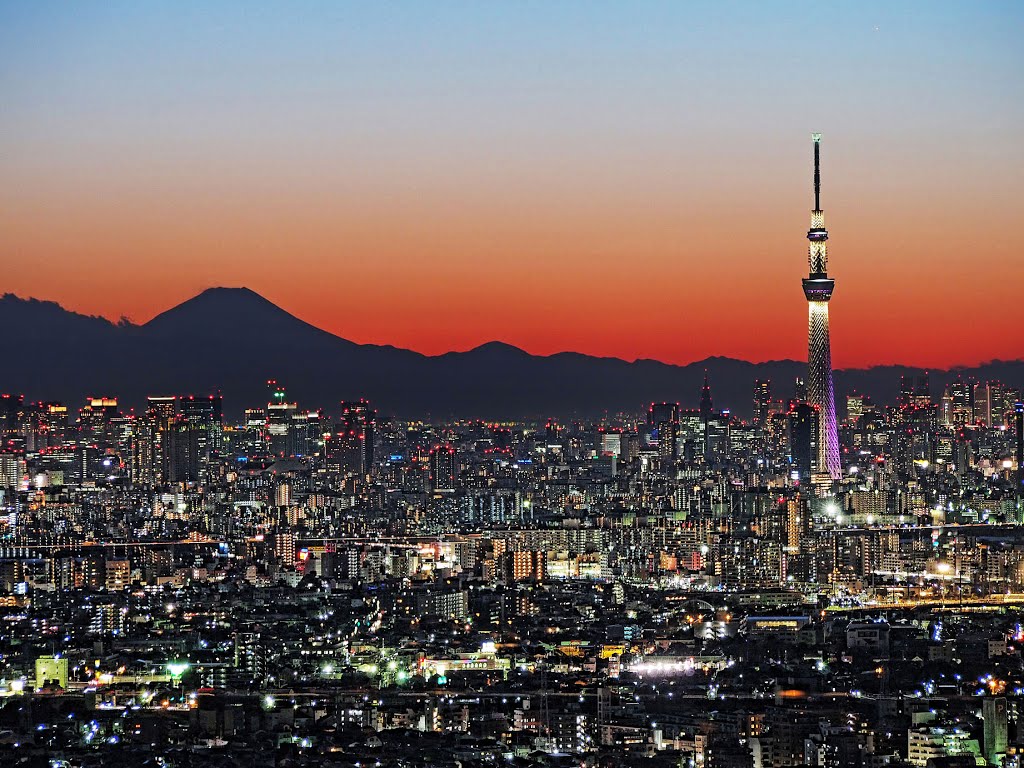
Ride the Asakusa Line or shuttle bus to Tokyo Skytree. Arrive an hour before sunset; golden light hits distant Mount Fuji on clear days. Book the Tembo Deck (350 m) online (~¥2,100) to skip ticket queues. After dark, choose dinner in the attached Solamachi mall—ramen bowls from ¥900—and watch the tower change colours every 20 minutes.
Day 3 mixes royal history, luxe shops, nerd paradise, and a sky-high finale—perfect closure to your 3-Day Tokyo Itinerary.
Hotel Guide – 3-Day Tokyo Itinerary
Below are hand-picked stays from wallet-friendly hostels to five-star skyscraper suites. For deals, check Hotel Book Wise—many listings come with discounts, breakfast bundles, or free upgrades if you book early.
- Luxury (¥45,000+): The Prince Gallery Tokyo Kioicho offers floor-to-ceiling views and an indoor pool overlooking the skyline—ideal if you want luxury hotels in Tokyo with city views.
- Mid-range (¥15,000–¥25,000): Shibuya Excel Hotel Tokyu sits above the station so you can watch the crossing from breakfast.
- Best near Shinjuku under $200: Hotel Sunroute Plaza Shinjuku is a 3-minute walk from the south exit and has comfy queen beds for about ¥18,000.
- Budget (¥5,000–¥9,000): Khaosan World Asakusa Ryokan & Hostel offers dorms and tiny tatami rooms—perfect for Tokyo budget-friendly hotels Ginza alternatives.
Tip: rooms open six months ahead; grab spring and autumn dates quickly.
Sample Budget & Money-Saving Hacks – 3-Day Tokyo Itinerary
A simple day in Tokyo can cost less than many European cities. Here’s a realistic daily breakdown:
- Food (3 meals + snacks): ¥3,000
- Transit top-ups: ¥1,000
- Attractions: ¥2,000
- Extras/souvenirs: ¥2,000
- Total: ~¥8,000
Money-saving hacks:
- Grab convenience-store breakfasts (onigiri ¥150 each).
- Look for lunch sets (teishoku) before 14:00—they often include soup and rice refills.
- Use free viewpoints: Tokyo Metropolitan Government Building or Ginza Six rooftop.
- Buy snacks at discount chain Don Quijote late at night—prices drop near closing.
Seasonal & Event Planning – 3-Day Tokyo Itinerary
- Sakura (late Mar–early Apr): Ueno Park and Sumida riverside bloom pink; hotels book up quickly.
- Summer Matsuri: Sumida River Fireworks in July—reserve cruise seats or arrive with a picnic sheet by 17:00.
- Winter Illuminations (Nov–Jan): Shinjuku Southern Terrace glows with LEDs—free and fantastic for families.
- Typhoon Season (September): Carry a compact umbrella and waterproof shoes; trains may delay.
Pair your Tokyo dates with Kyoto’s famous festivals—see the full calendar in the Kyoto travel guide.
Final Wrap-Up – 3-Day Tokyo Itinerary
Three days in Tokyo can be rich, relaxed, and memorable when you blend modern sights, historic walks, and tasty bites. Use this 3-Day Tokyo Itinerary as a flexible map: shuffle neighborhoods, linger over ramen, or trade museums for theme cafés. However you mix it, Tokyo offers endless colour and care—polite staff, clean trains, and soft vending machine jingles on every corner.
If you are building a bigger Asia journey, grab our 3-Day Hanoi Itinerary for another quick city break. Happy travels, and may neon nights and shrine mornings stay bright in your memories.
FAQ – 3-Day Tokyo Itinerary
Is three days really enough for Tokyo?
Yes. While you could spend weeks exploring, this itinerary hits key highlights and leaves wiggle room for wandering.
Do I need cash or will a card work?
Many places accept cards, but small noodle shops and shrines may not. Carry at least ¥10,000 in cash.
What is the easiest airport transfer?
From Narita, take the N’EX train (about 60 minutes). From Haneda, ride the Keikyu Line (about 25 minutes).
Is Tokyo safe at night?
Very safe. Still, keep an eye on belongings and check last train times to avoid expensive taxis.
Can I use the same IC card in Kyoto?
Yes—Suica or PASMO works across most of Japan, making onward travel smooth.